Gutter guard installation is a smart investment for any homeowner aiming to protect their gutter system from debris buildup, reduce maintenance, and prevent costly water damage. This comprehensive guide walks you through everything you need to know about the installation process in 2025—from understanding different types of gutter guards and necessary tools to step-by-step fitting instructions and troubleshooting common issues. Whether you’re a DIY enthusiast or considering professional help, mastering these gutter guard installation details will ensure your home’s gutters perform efficiently year-round.
Introduction to Gutter Guard Installation
Gutter guard installation refers to the process of attaching protective covers or screens over your rain gutters to prevent leaves, portland gutter pros twigs, and other debris from clogging the system. By installing gutter guards, homeowners significantly reduce the frequency of gutter cleaning, protect roofing and foundation integrity, and enhance overall gutter system maintenance.
Installing gutter guards is especially important if you live in areas with heavy foliage or experience seasonal changes that increase debris accumulation. The proper installation ensures seamless water flow through gutters and downspouts while minimizing portland gutters blockages and overflow issues.
Understanding the basics of gutter protection installation and how it impacts the longevity of your gutters helps you make informed decisions about whether to hire a specialist or tackle the project yourself.
Types of Gutter Guards Suitable for Installation
Choosing the right gutter guard depends on your budget, gutter type, and level of maintenance you want to avoid. Here are the most common types with installation notes:
- Mesh Gutter Guards: Made from metal or plastic mesh, these guards filter out debris while allowing water to flow freely. They often require cutting to fit gutters precisely and drilling screws or clips to secure them. Foam Gutter Guards: These are easy-to-install inserts made of porous foam that sit directly inside the gutter channel. They require no special tools but may need occasional replacement. Reverse Curve Gutter Guards: Designed to direct water into the gutter while shedding leaves over the edge, these can be more complex to install due to their shapes and mounting hardware. Brush Gutter Guards: Resembling large pipe cleaners, these fit inside gutters and trap debris on top. Installing is straightforward but may require seasonal cleaning. Best Gutter Guards for Easy Installation: Foam and brush guards often rank highest for DIY projects because of their simple placement without needing advanced tools or fasteners.
Tools and Materials Needed for Installation
A successful gutter guard installation depends on having proper tools and materials ready to ensure safety and precision.
Item Purpose Tips Ladder Accessing gutters safely Use a sturdy ladder; work with a partner Measuring Tape Measuring gutter length and guard sizes Measure twice for accuracy Tin Snips or Saw Cutting metal or plastic guards Wear gloves to avoid cuts Drill and Screws Securing guards to gutters Use corrosion-resistant screws Safety Gloves Hand protection Choose puncture-resistant materials Safety Glasses Eye protection during cutting and drilling Essential for all installations Work Helmet Head protection during roof access Recommended for roofing safety Gutter Scoop or Brush Cleaning gutters before installation Remove all debris to ensure proper fitHaving these tools and wearing appropriate safety gear prevents accidents and improves installation quality.
Step-by-Step Gutter Guard Installation Process
Following a methodical approach ensures your gutter guards fit securely and function optimally.
Preparing Gutters Before Installation
- Clean Gutters Thoroughly: Remove leaves, dirt, and old debris through scooping or power washing. Inspect for Damage: Check for gutter sagging, leaks, or rust spots that require repair before installing guards. Secure Loose Sections: Tighten brackets and seal gaps to create a firm base for guards.
Proper preparation is critical to prevent problems after guard installation.
Installing Different Types of Gutter Guards
Installing Mesh Gutter Guards
Measure the length of each gutter section. Cut the mesh guard panels using tin snips to match lengths. Position the guard over the gutter lip so water can flow underneath. portland gutter Secure the mesh to the gutter with self-tapping screws about every 12-18 inches. Overlap adjacent panels slightly to prevent gaps.Installing Foam Gutter Guards
Measure and cut foam inserts to fit gutter sections. Press foam into gutters so it rests snugly against both sides. Trim any excess foam flush with the gutter edges. No screws are usually required; check during rain to confirm stability.Installing Reverse Curve Gutter Guards
Align the guard on the front edge of the gutter. Drill pilot holes for mounting hardware. Attach shields using screws or clips provided by manufacturer. Ensure the curve directs water inside the gutter while deflecting debris.Adhering to manufacturer-specific fitting instructions enhances guard efficiency and warranties.
Common Installation Challenges and How to Overcome Them
Problem Cause Solution Uneven Gutters Age or weather damage causing sagging Reinforce or realign gutters before installing Guard Not Fitting Properly Incorrect measurements or gutter profile variety Double-check measurements; use flexible guards Debris Trapped Under Guard Guard spacing too wide or improper securing Adjust installation; clean gutters thoroughly Guard Detaching After Storm Inadequate fastening Use additional screws/clips and stronger anchorsAddressing these challenges early avoids repeated repairs and maintains gutter system reliability.
Maintenance After Gutter Guard Installation
While gutter guards reduce debris buildup, some maintenance remains essential for optimal performance:
- Periodic Inspection: Check guards after storms or at least twice yearly for blockage or damage. Cleaning: Remove accumulated debris from the guards' surface to prevent overflow. Checking Fasteners: Tighten or replace any loose screws or clips found during inspections. Signs of Failure: Overflowing gutters, persistent blockages, or damaged guards indicate maintenance or replacement is needed.
Proactive upkeep extends gutter guard lifespan and keeps your gutter system functioning smoothly.
Cost and Time Estimates for Installing Gutter Guards
The financial and time investment varies based on system size, guard type, and labor choice.
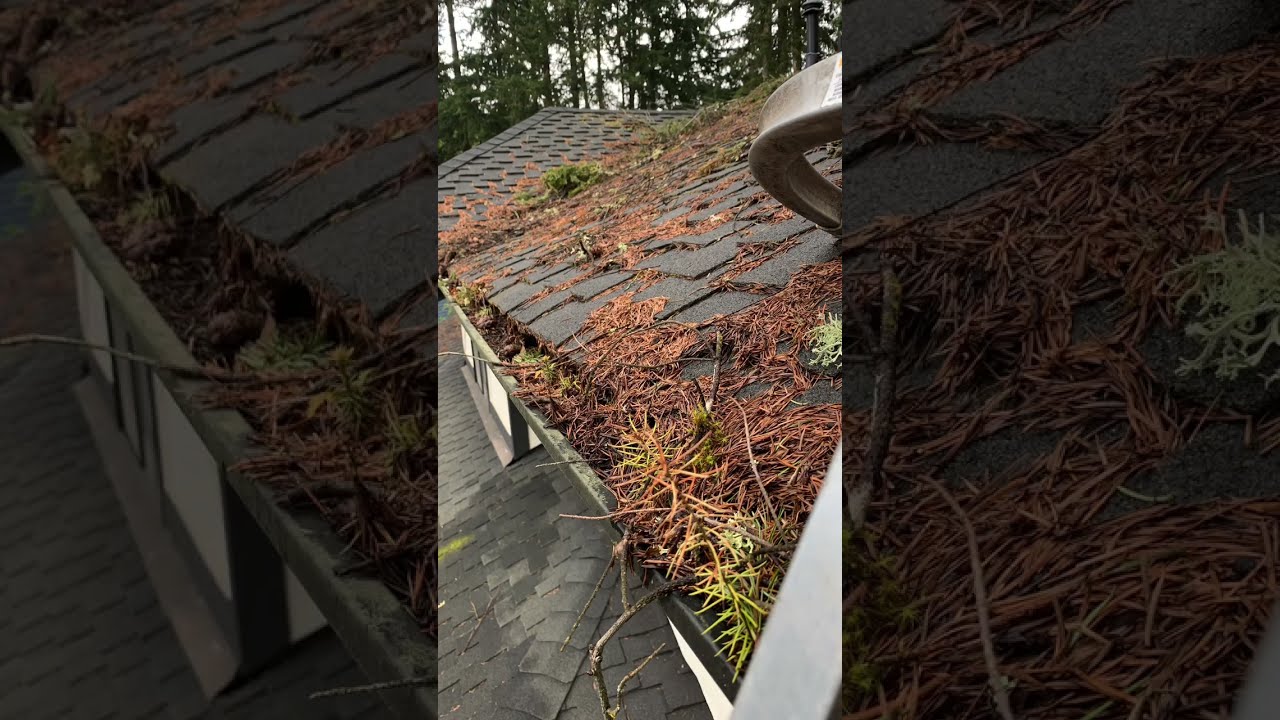
- Average Cost: DIY installation typically costs between $100 and $400 for materials; professional installation ranges from $1,000 to $3,000 depending on gutter length and guard type. Installation Time: A skilled DIYer might complete installation in 3 to 6 hours; professionals often finish within 2 to 4 hours for average homes.
Balancing cost, time, and skill helps determine if this home improvement project is right for you.
Hiring Professionals vs. DIY Installation
Deciding between professional services and a DIY approach depends on your experience, budget, and risk tolerance.
Pros of DIY Installation
- Lower overall cost Flexible scheduling Increased skill and satisfaction from hands-on work
Cons of DIY Installation
- Requires time and physical effort Potential safety risks on ladders or roofs Possible errors that affect gutter guard effectiveness
When to Hire Professionals
- Unstable or steep roof conditions Complex gutter configurations Lack of specialized tools or installation experience Desire for warranty-backed installations
Finding Reliable Services
gutter cleaningLook for licensed contractors with positive reviews, warranties, and clear pricing. Ask for references and view past projects if possible.
Conclusion: Understanding gutter guard installation details—from selecting the right guard type and prepping gutters to performing accurate installation and maintenance—empowers you to protect your home efficiently. Whether you take the DIY route or hire professionals, following these guidelines will minimize gutter clogs, reduce maintenance, and extend the lifespan of your gutter system. Ready to safeguard your gutters? Gather your tools and start with a thorough gutter inspection to set the foundation for successful gutter guard installation today!